
10 Root Causes: Why You're Still Tired After Sleeping 8 Hours


- 10 Root Causes of Feeling Tired After 8 Hours of Sleep
- 1. Your Sleep Quality May Be Poor
- 2. Sleep Apnea May Be Disrupting Your Sleep
- 3. Your Sleep Schedule May Be Irregular
- 4. Stress and Mental Overload Can Leave You Exhausted
- 5. You May Not Be Getting Enough Physical Activity
- 6. Your Diet May Be Affecting Your Energy
- 7. Iron Deficiency or Anaemia May Be Involved
- 8. Vitamin B12 or Vitamin D Levels May Be Low
- 9. Thyroid Problems Can Cause Persistent Tiredness
- 10. An Underlying Health Condition May Be Causing Fatigue
- The Formula for Restorative Sleep
- When Should You See a Doctor for Tiredness?
- Tests That Can Help Find the Cause of Fatigue
- Frequently Asked Questions
- Final Takeaway
You slept for eight hours, yet you wake up feeling tired, heavy, or ready to go back to bed. If this happens once in a while, a stressful day, a late night or a restless night is usually to blame. But if you feel tired after sleeping 8 hours on most mornings, the problem may not be how long you sleep. It may be how well you sleep, or an underlying health issue that drains your energy.
Quick answer: The most common reasons for waking up tired despite 8 hours of sleep are poor sleep quality, sleep apnea, an irregular sleep schedule, stress, low physical activity, an unbalanced diet, iron deficiency (anaemia), low vitamin B12 or vitamin D, an underactive thyroid, and other medical conditions such as diabetes or depression. Simple blood tests like a CBC, iron profile, vitamin levels and TSH can help identify many of these causes.
10 Root Causes of Feeling Tired After 8 Hours of Sleep
| Possible cause | Common clue | What can help identify it |
|---|---|---|
| Poor sleep quality | Light, broken sleep | Sleep habits review |
| Sleep apnea | Loud snoring, gasping at night | Sleep study (as advised by a doctor) |
| Irregular sleep schedule | Different bedtimes every night | Sleep diary |
| Stress and mental overload | Racing thoughts at bedtime | Stress and lifestyle review |
| Low physical activity | Sedentary routine | Activity tracking |
| Diet and blood sugar swings | Energy crashes after meals | Fasting glucose, HbA1c |
| Iron deficiency / anaemia | Weakness, pale skin, breathlessness | CBC, iron profile, ferritin |
| Low vitamin B12 or vitamin D | Fatigue, tingling, muscle weakness | Vitamin B12 and vitamin D tests |
| Thyroid problems | Weight gain, feeling cold | TSH, thyroid tests |
| Other health conditions | Fatigue with other symptoms | Doctor's evaluation |
1. Your Sleep Quality May Be Poor
Eight hours in bed does not always mean eight hours of restorative sleep. Your sleep can be interrupted by:
- Environmental factors: noise, light, an uncomfortable mattress or pillow, or an unsuitable room temperature.
- Lifestyle and mental state: stress, anxiety, late-night phone use or irregular sleeping hours.
- Sleep disruption: frequent night awakenings, even ones you don't remember.
Repeated brief awakenings interfere with normal sleep cycles and prevent deep sleep.
What can help: keep your bedroom dark, quiet and cool, maintain a consistent sleep schedule, and reduce screen use before bedtime.
2. Sleep Apnea May Be Disrupting Your Sleep
Sleep apnea is a medical condition in which breathing repeatedly stops or becomes restricted during sleep. These interruptions stop your body from getting normal restorative sleep, even if you spend eight or more hours in bed.
Possible signs of sleep apnea
- Loud snoring
- Waking up gasping or choking
- Morning headaches or a dry mouth after waking
- Severe daytime sleepiness and difficulty concentrating
- Persistent tiredness despite adequate sleep duration
If you notice these symptoms, speak with a healthcare professional. A formal sleep study may be recommended to evaluate your breathing during sleep.
3. Your Sleep Schedule May Be Irregular
Going to bed at different times every night disturbs your circadian rhythm, your body's internal clock. Sleeping eight hours from 2 a.m. to 10 a.m. often feels less refreshing than sleeping during a consistent window that matches your body clock.
How to regulate your sleep rhythm
- Go to bed and wake up at about the same time every day.
- Avoid large schedule shifts between weekdays and weekends.
- Get natural daylight early in the morning.
4. Stress and Mental Overload Can Leave You Exhausted
Your body may be lying still while your mind keeps running. Work pressure, financial worries, relationship strain or constant overthinking make it hard to reach deep sleep. Stress can also cause muscle tension and night-time awakenings, so you wake up mentally and physically exhausted.
Tips to wind down: try deep breathing, meditation, gentle stretching, journaling or reading before bed to create a calm transition into sleep.
5. You May Not Be Getting Enough Physical Activity
It may sound surprising, but physical inactivity is a common cause of low energy. Regular movement supports sleep quality, heart health, muscle strength and overall vitality.
Simple ways to stay active
- Walking, cycling or swimming
- Yoga and gentle stretching
- Strength training
If you have been inactive for a while, start gradually instead of jumping into intense workouts.
6. Your Diet May Be Affecting Your Energy
Your body needs adequate fuel and nutrients to produce steady energy. A diet high in refined carbohydrates and sugar, or low in essential nutrients, can cause blood sugar spikes and crashes that leave you sluggish. If you often feel drained after meals, a fasting blood glucose test or an HbA1c blood test can help check your blood sugar control.
Aim for a balanced intake of
- Quality protein and healthy fats
- Complex carbohydrates and whole grains
- Fresh vegetables and fruits
- Adequate daily hydration
7. Iron Deficiency or Anaemia May Be Involved
Iron is needed to make haemoglobin, the protein in red blood cells that carries oxygen around your body. When iron levels are low, less oxygen reaches your tissues, which leads to widespread fatigue.
Common symptoms of low iron
- Tiredness and physical weakness
- Dizziness, shortness of breath or headaches
- Pale skin and reduced concentration
Anaemia has several possible causes. A doctor may advise a CBC (Complete Blood Count) test along with an iron profile test or ferritin test to evaluate your levels. You can also read our guide on the serum iron test, normal range and preparation. Do not start iron supplements without medical guidance, as excess iron can be harmful.
8. Vitamin B12 or Vitamin D Levels May Be Low
Some vitamin deficiencies directly affect cell metabolism and energy production:
- Vitamin B12 deficiency: can cause tiredness, weakness and neurological symptoms such as tingling or numbness in the hands and feet.
- Vitamin D deficiency: is often associated with fatigue, low mood and muscle weakness.
Blood tests are needed to confirm a deficiency before starting high-dose supplements. You can book vitamin B12 and vitamin D tests at City Imaging & Clinical Labs.
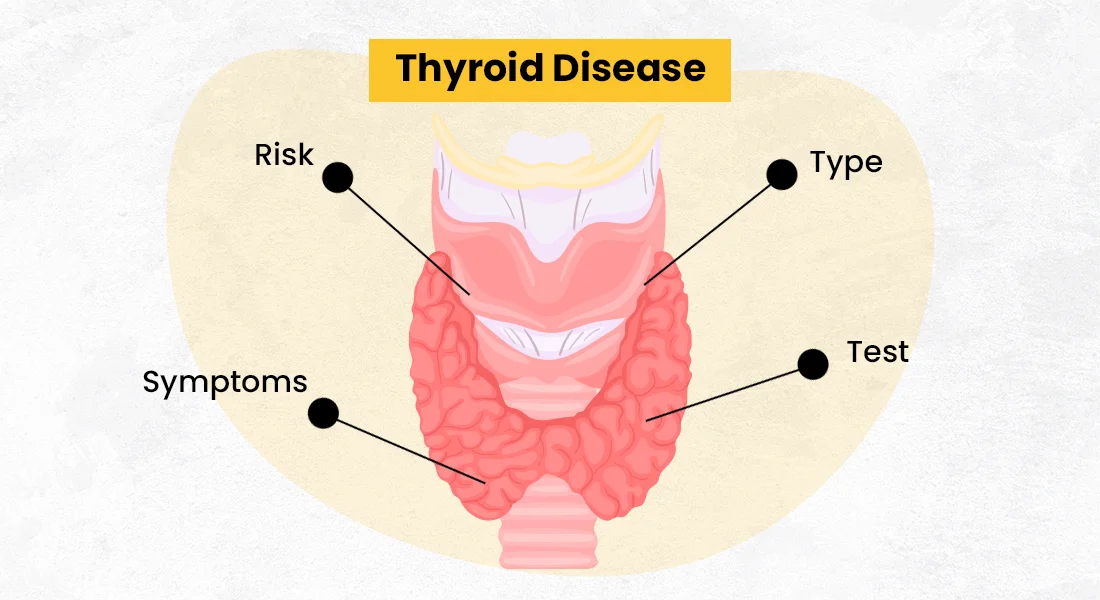
9. Thyroid Problems Can Cause Persistent Tiredness
The thyroid gland regulates your metabolism. An underactive thyroid (hypothyroidism) slows down many body systems and can cause a group of fatigue-related symptoms.
| Common hypothyroidism symptoms | |
|---|---|
| Persistent fatigue | Unexplained weight gain |
| Feeling unusually cold | Dry skin and hair loss |
| Muscle weakness | Constipation |
| Low mood | Brain fog and slow concentration |
A simple TSH (Thyroid Stimulating Hormone) test can help show whether your thyroid is working properly.
10. An Underlying Health Condition May Be Causing Fatigue
Persistent tiredness is not always a sleep problem. It can be a symptom of an underlying medical condition or a side effect of medication.
Conditions commonly linked to fatigue
- Diabetes or other metabolic disorders
- Depression or chronic anxiety disorders
- Autoimmune diseases or chronic infections
- Side effects of prescription medicines
If you are unsure where to start, a comprehensive full body health checkup can screen for several common causes of fatigue in one visit.
The Formula for Restorative Sleep
Think of good sleep as a combination of how long and how well you sleep:
Restorative rest = Duration + Quality + Consistent timing + Overall health
If any one of these is out of balance, you will probably wake up feeling unrefreshed, no matter how many hours you spend in bed.
When Should You See a Doctor for Tiredness?
Occasional tiredness is normal. Consult a healthcare professional if your fatigue:
- Lasts for several weeks or keeps getting worse
- Significantly interferes with work or daily responsibilities
- Comes with unexplained weight loss, persistent fever or heavy night sweats
- Causes dizziness, weakness or shortness of breath
- Comes with loud snoring or choking sounds during sleep
Tests That Can Help Find the Cause of Fatigue
Depending on your symptoms, your doctor may recommend:
- CBC test to check for anaemia and infection
- Iron profile and ferritin to assess iron stores
- TSH test to check thyroid function
- HbA1c and fasting glucose to check blood sugar
- Vitamin B12 and vitamin D levels
City Imaging & Clinical Labs offers these tests at its centres across Delhi, with free home blood sample collection in Delhi.
Frequently Asked Questions
Why am I tired after sleeping 8 hours?
You may be tired because of poor sleep quality, an irregular sleep schedule, stress, sleep apnea, nutritional deficiencies, certain medications or an underlying health condition. If fatigue is persistent, discuss it with a healthcare professional.
Is sleeping 8 hours enough?
For most adults, around 7–9 hours of sleep per night is generally recommended. However, individual sleep needs vary, and sleep quality matters as much as duration.
Why do I wake up tired every morning?
Regular morning fatigue can be related to fragmented sleep, sleep apnea, an inconsistent sleep schedule, stress, alcohol or caffeine use, or an underlying medical condition.
Can vitamin deficiency cause tiredness?
Yes. Deficiencies of iron, vitamin B12 and vitamin D can be associated with fatigue. Blood tests may be needed to identify a deficiency.
Can thyroid problems make you tired?
Yes. An underactive thyroid can cause persistent tiredness along with symptoms such as feeling cold, weight gain, constipation and dry skin.
Final Takeaway
If you are consistently tired after sleeping for eight hours, more sleep may not be the answer. The quality and timing of your sleep, stress levels, diet, physical activity and overall health all influence how energetic you feel.
If tiredness continues despite adequate sleep or affects your daily life, don't ignore it. Identifying the underlying cause helps you get the right treatment instead of simply trying to sleep longer.
Disclaimer: This article is for general information only and is not a substitute for professional medical advice. Please consult a qualified doctor for diagnosis and treatment.




_lotus_seeds_benefits,_uses_nutritional_value.webp)


.jpeg)


Comments List