
HbA1c Blood Test: Normal Range, Price, Fasting & Results

- What is an HbA1c Test?
- Why is the HbA1c Test Done?
- When is the HbA1c Test Recommended?
- How to understand HbA1c Test result
- What Does a 6.5% or Higher HbA1c Mean?
- Is Fasting Required for an HbA1c Test?
- How is the HbA1c Test Performed?
- How Long Does an HbA1c Test Take?
- Who Should Consider an HbA1c Test?
- HbA1c Test vs Blood Sugar Test
- Frequently Asked Questions About HbA1c Test
Diabetes has emerged as a major global health concern. According to the International Diabetes Federation (IDF), in 2021, approximately 10.5% of adults aged 20-79 years were living with diabetes, and nearly half of them were unaware that they had the condition. If diabetes is not adequately controlled, it can result in serious long-term complications, including vision loss, cardiovascular disease, nerve damage, and kidney problems. Regular monitoring of blood glucose is therefore an essential part of diabetes management, and one of the most important tests used for this purpose is the HbA1c test.
Measuring HbA1c gives healthcare professionals and patients valuable information about average blood glucose levels over an extended period. In addition to monitoring diabetes, the test also plays an important role in identifying and diagnosing the condition.
[If you are looking for an HbA1c test in Delhi, you can book the test at a diagnostic laboratory for convenient blood sample collection and laboratory testing].
What is an HbA1c Test?
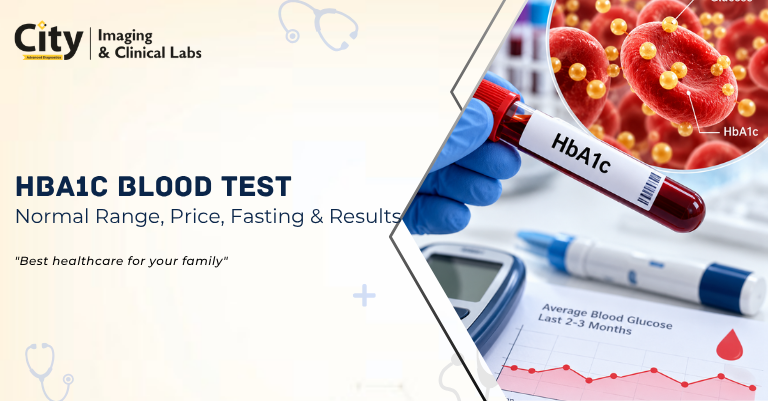
HbA1c stands for Hemoglobin A1c, also called glycated hemoglobin. When glucose circulates in the blood, some of it attaches to hemoglobin inside red blood cells. The HbA1c test measures the percentage of hemoglobin that has glucose attached to it. Because red blood cells generally remain in circulation for around three months, HbA1c provides an indication of your average blood sugar levels during this period. Unlike a blood glucose test that gives a reading at a particular point in time, HbA1c provides a longer-term picture of blood glucose control.
Why is the HbA1c Test Done?
Your doctor may recommend an HbA1c test for:
- Screening for prediabetes
- Screening for type 2 diabetes
- Monitoring blood sugar control after diabetes diagnosis
- Checking whether diabetes management is working effectively
- Assessing long-term changes in blood glucose levels
- Regular diabetes monitoring as advised by your doctor
Prediabetes and type 2 diabetes may not always cause noticeable symptoms, so blood tests can help identify abnormal blood sugar levels early.
When is the HbA1c Test Recommended?
The HbA1c test is frequently advised for people with diabetes to monitor their long-term blood glucose control. Healthcare professionals may also recommend the test when symptoms suggestive of diabetes are present, such as:
- Frequent urination
- Excessive or persistent thirst
- Unexplained weight loss
- Increased hunger or appetite
- Persistent tiredness or fatigue
- Blurred vision
- Delayed healing of cuts and wounds
- Recurrent infections, including urinary tract or yeast infections
- Tingling or numbness in the hands or feet
- Dry or itchy skin
How to understand HbA1c Test result
The HbA1c result is reported as a percentage. The commonly used interpretation is:
| HbA1c Level | General Interpretation |
|---|---|
| Below 5.7% | Normal |
| 5.7%–6.4% | Prediabetes |
| HbA1c Level | General Interpretation |
|---|---|
| 6.5% or higher | Diabetes |
These ranges are used for screening and diagnosis, but a diabetes diagnosis may require confirmation with a repeat test or another diabetes test, particularly when there are no clear symptoms. Your doctor should interpret your result based on your overall health and clinical history.
What Does a 6.5% or Higher HbA1c Mean?
An HbA1c level of 6.5% or higher falls within the diabetes range. However, one test result should not automatically be considered a final diagnosis in every situation. If you do not have symptoms, your healthcare provider may recommend repeat testing or another diagnostic test for confirmation.
Is Fasting Required for an HbA1c Test?
No, fasting is generally not required for an HbA1c test. You can usually have the blood sample collected at any time of the day without fasting.
However, if your doctor has prescribed other blood tests along with HbA1c, some of those tests may require fasting. Follow the preparation instructions provided by your doctor or diagnostic laboratory.
How is the HbA1c Test Performed?
The HbA1c test is a straightforward blood test.
Procedure
- A healthcare professional collects a blood sample, usually from a vein in your arm.
- The sample is sent to the laboratory for analysis.
- The laboratory measures the percentage of glycated hemoglobin.
- Your HbA1c result is provided in percentage form.
The test generally does not require any special preparation when performed alone.\
How Long Does an HbA1c Test Take?
Blood sample collection usually takes only a few minutes. The time required to receive the report depends on the laboratory's testing process and reporting schedule.
For exact HbA1c report time, confirm with the diagnostic centre when booking your test.
Who Should Consider an HbA1c Test?
Your doctor may recommend HbA1c testing if you:
- Have risk factors for diabetes
- Have previously been diagnosed with prediabetes
- Have diabetes and need regular monitoring
- Have symptoms or clinical findings that require blood glucose evaluation
- Need screening based on your age or other risk factors
People with diabetes may need HbA1c testing regularly, with the frequency determined by their healthcare provider and individual diabetes management plan.
HbA1c Test vs Blood Sugar Test
HbA1c and blood glucose tests provide different types of information.
| Test | What It Shows |
|---|---|
| HbA1c Test | Average blood glucose over approximately 2–3 months |
| Fasting Blood Sugar | Blood glucose after fasting |
| Random Blood Sugar | Blood glucose at the time of testing |
| Oral Glucose Tolerance Test | How the body processes glucose after consuming a glucose solution |
HbA1c is useful because it provides a longer-term picture rather than measuring blood glucose at only one point in time.
Frequently Asked Questions About HbA1c Test
What is an HbA1c blood test?
An HbA1c blood test measures the percentage of hemoglobin with glucose attached to it and provides an estimate of average blood glucose levels over approximately the previous 2–3 months.
Is fasting required for the HbA1c test?
No. Fasting is generally not required for an HbA1c test when it is performed alone.
What is a normal HbA1c level?
An HbA1c level below 5.7% is generally considered within the normal range. Levels from 5.7% to 6.4% are in the prediabetes range, while 6.5% or higher is in the diabetes range.\
What is the HbA1c test price in Delhi?
The HbA1c test price in Delhi varies between diagnostic laboratories. Check the current price with the centre before booking the test.
Can I book an HbA1c blood test near me?
Yes. You can search for an HbA1c Blood Test Near Me and select a diagnostic centre based on location, availability, price, and report timing.
How often should HbA1c be tested?
The frequency depends on your health status and diabetes management plan. People with diabetes are often advised to have their HbA1c checked at least twice a year, although some people may need testing more frequently. Follow your doctor's recommendation.
Does HbA1c diagnose diabetes?
Yes, HbA1c can be used to screen for and diagnose prediabetes and type 2 diabetes. An HbA1c result of 6.5% or higher is in the diabetes range, but confirmation may be needed when there are no clear symptoms.
What is the difference between HbA1c and fasting blood sugar?
Fasting blood sugar measures glucose at a specific time after fasting, while HbA1c reflects average blood glucose over approximately the previous 2–3 months.
How long does the HbA1c test take?
Blood collection generally takes only a few minutes. The report time depends on the diagnostic laboratory and its testing process.
Can HbA1c be tested without fasting?
Yes. HbA1c testing can generally be performed without fasting.





_Types,_Preparation,_Results,_Benefits_FAQs.jpeg)



Comments List