
Feeling Weak After Exercise? Common Causes and What to Do
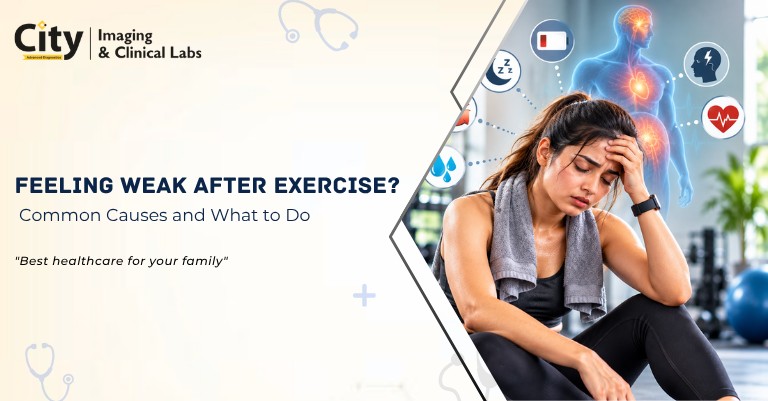

Feeling weak after exercise can happen due to dehydration, low blood sugar, inadequate nutrition, poor sleep, or exercising beyond your current fitness level. However, if weakness occurs frequently, lasts longer than expected, or is accompanied by dizziness, breathlessness, palpitations, or unusual fatigue, it may indicate an underlying medical condition such as anaemia, thyroid dysfunction, electrolyte imbalance, or a heart-related problem. Identifying the cause can help you recover safely and determine whether medical evaluation or diagnostic tests are needed.
Exercise helps improve cardiovascular health, muscle strength, and overall fitness. However, your body needs adequate fluids, nutrients, oxygen, and recovery time to meet the demands of physical activity. When one or more of these requirements are not met, you may feel unusually tired, shaky, lightheaded, or weak after a workout.
Key Takeaways
- Mild tiredness after a hard workout is usually normal and improves with rest, fluids and food.
- Common causes include dehydration, low blood sugar, poor nutrition, too much exercise and poor sleep.
- Frequent or lasting weakness may point to anaemia, thyroid problems, electrolyte imbalance, vitamin deficiency or a heart or lung problem.
- Tests such as a CBC, ferritin, TSH, electrolytes, vitamin D and B12 can help find the cause.
- Chest pain, fainting, severe breathlessness or dark urine after exercise needs urgent medical care.
What Does Feeling Weak After Exercise Mean?
Post-exercise weakness refers to a feeling of reduced energy, muscle strength, or physical endurance after physical activity. It can occur immediately after a workout or develop several hours later.
Mild tiredness after an intense workout is usually normal and improves with rest, hydration, and proper nutrition. However, weakness that occurs after light exercise, repeatedly interferes with daily activities, or does not improve with adequate recovery deserves attention.
Common symptoms include:
- Muscle weakness or heavy-feeling legs and arms
- Unusual tiredness or exhaustion
- Dizziness or lightheadedness
- Shaking, sweating, or hunger
- Headache after exercise
- Muscle cramps
- Difficulty recovering between workouts
- Shortness of breath or a racing heartbeat
The symptoms and their duration can provide useful clues about the underlying cause, although they cannot establish a diagnosis on their own. If you also feel tired even after a full night's sleep, read our guide on why you may still be tired after sleeping 8 hours.
Common Causes at a Glance
| Cause | Typical clues | Tests that may help |
|---|---|---|
| Dehydration | Thirst, headache, cramps, fast heartbeat | Usually none; electrolytes if severe |
| Low blood sugar | Shakiness, sweating, hunger | Fasting glucose, HbA1c |
| Poor nutrition | Fatigue, slow recovery | CBC, vitamins as advised |
| Anaemia / iron deficiency | Pale skin, breathlessness on activity | CBC, haemoglobin, ferritin, iron profile |
| Electrolyte imbalance | Cramps, weakness, palpitations | Sodium, potassium, calcium, magnesium |
| Thyroid disorder | Fatigue, tremor, palpitations | TSH, Free T4, Free T3 |
| Heart or lung problem | Chest discomfort, fainting, breathlessness | ECG, TMT, 2D echo, chest X-ray as advised by a doctor |
Common Causes of Weakness After Exercise
1. Dehydration and Excessive Sweating
During exercise, your body loses water and electrolytes through sweat. If you do not replace these losses, your blood volume may decrease, making it harder for your body to regulate temperature and maintain circulation.
Dehydration can cause weakness, thirst, headache, dizziness, muscle cramps, and a rapid heartbeat. The risk increases during prolonged workouts, outdoor exercise in hot weather, and activities that cause heavy sweating.
What to do: Drink water regularly throughout the day and replace fluids after exercise. During prolonged, intense workouts or heavy sweating, an electrolyte-containing drink may be useful. Most people doing shorter, moderate workouts can meet their hydration needs with water and normal meals.
2. Low Blood Sugar
Glucose is an important energy source for working muscles. Exercising after a long period without food, skipping meals, or performing prolonged physical activity without adequate energy intake may contribute to low blood sugar.
Possible symptoms include shakiness, sweating, hunger, weakness, dizziness, and difficulty concentrating. People taking insulin or certain diabetes medications have a higher risk of exercise-related hypoglycaemia.
What to do: If you exercise on an empty stomach and repeatedly feel weak, consider adjusting your meal timing. A small snack containing carbohydrates before exercise may help. If you have diabetes, follow your clinician's advice on monitoring glucose and adjusting food or medication around workouts.
If symptoms suggest low blood sugar, stop exercising and check your glucose if possible. Treat confirmed hypoglycaemia according to your medical plan. Severe confusion, fainting, or inability to swallow requires emergency assistance. A fasting glucose or HbA1c test may be advised to check sugar control; you can also read about the HbA1c test, range and results.
3. Not Eating Enough Before or After Exercise
Your body needs carbohydrates for readily available energy and protein to support muscle repair. A diet that does not provide enough total calories, carbohydrates, protein, or essential micronutrients may contribute to fatigue and poor recovery.
People trying to lose weight, following restrictive diets, or increasing their workout intensity without increasing food intake may be particularly vulnerable.
What to do: Eat balanced meals that include whole grains, fruit, vegetables, protein sources, and healthy fats. After exercise, a meal or snack containing protein and carbohydrates can support recovery. Avoid relying on supplements as a substitute for a balanced diet.
4. Exercising Too Intensely or for Too Long
Suddenly increasing workout duration, lifting heavier weights, or training intensely without sufficient recovery can leave you exhausted. Muscle fatigue may occur when the demands of exercise exceed your current conditioning.
Delayed-onset muscle soreness can develop 12–24 hours after unfamiliar or strenuous activity and often peaks over the next one to three days. However, severe muscle pain, marked swelling, or dark, cola-coloured urine after intense exercise may indicate rhabdomyolysis, a potentially serious condition requiring urgent medical evaluation. A CPK test may be advised by the doctor in such cases.
What to do: Increase workout intensity gradually, include rest days, warm up properly, and avoid training through significant weakness or pain. Allow adequate time for sleep and muscle recovery.
5. Anaemia and Iron Deficiency
Anaemia occurs when the blood has insufficient haemoglobin to carry oxygen effectively to body tissues. Iron deficiency is a common cause, although vitamin B12 deficiency, folate deficiency, blood loss, and chronic diseases can also contribute.
When oxygen delivery is reduced, exercise may feel more difficult than usual. Symptoms can include persistent fatigue, weakness, pale skin, headaches, dizziness, breathlessness during activity, and a racing heartbeat.
People with heavy menstrual bleeding, nutritional deficiencies, gastrointestinal blood loss, or certain chronic conditions may have an increased risk.
Relevant pathology tests:
- Complete Blood Count (CBC)
- Haemoglobin test
- Serum Ferritin
- Iron Profile, including serum iron and transferrin saturation
- Vitamin B12 and Folate tests, when clinically indicated
A CBC can identify anaemia, while ferritin helps assess iron stores. Additional testing may be required to determine why a deficiency has developed. Learn more in our guide on the serum iron test.
6. Electrolyte Imbalance
Electrolytes such as sodium, potassium, calcium, and magnesium help regulate nerve signals, muscle contraction, and fluid balance. Significant abnormalities may contribute to weakness, cramps, abnormal heart rhythms, or confusion.
Electrolyte disturbances may result from excessive fluid loss, certain medications, kidney problems, or underlying illnesses. Muscle cramps alone do not necessarily mean you have an electrolyte deficiency.
Relevant pathology tests:
- Serum Electrolytes (Sodium and Potassium)
- Serum Calcium
- Serum Magnesium
- Kidney Function Test (KFT), when indicated (see also creatinine)
Testing is particularly important when weakness is persistent, severe, or associated with vomiting, diarrhoea, significant dehydration, or other concerning symptoms.
7. Thyroid Disorders
Thyroid hormones influence metabolism, energy levels, and muscle function. An underactive thyroid can cause fatigue, muscle aches, weakness, and reduced exercise tolerance. An overactive thyroid may cause muscle weakness, tremors, palpitations, and heat intolerance.
Relevant pathology tests:
- Thyroid-Stimulating Hormone (TSH)
- Free T4 (see Thyroid T4)
- Free T3, when clinically indicated (see Thyroid T3)
Thyroid testing may be appropriate when exercise-related weakness occurs alongside other symptoms suggestive of thyroid dysfunction. Not everyone experiencing post-workout fatigue requires a thyroid test. See our thyroid profile and the guide on thyroid disease, symptoms and tests.
8. Poor Sleep and Inadequate Recovery
Sleep supports muscle repair, energy regulation, and physical performance. Insufficient sleep, irregular sleep schedules, stress, and inadequate rest between workouts can make normal physical activity feel exhausting.
What to do: Aim for approximately seven to nine hours of sleep per night as an adult, maintain a consistent sleep schedule, and allow your body enough recovery time. Persistent fatigue despite adequate rest should be medically assessed.
9. Vitamin Deficiencies and Other Medical Conditions
Vitamin D deficiency may be associated with muscle weakness and bone or muscle discomfort. Vitamin B12 deficiency can contribute to fatigue, anaemia, and neurological symptoms. Diabetes, kidney disease, infections, and certain medications may also affect energy levels.
Testing should be guided by your symptoms, medical history, examination, and risk factors rather than ordering every available vitamin test.
Relevant pathology tests may include:
- Vitamin D (25-OH Vitamin D)
- Vitamin B12
- Fasting Blood Glucose
- HbA1c
- Kidney Function Test (see common kidney disease, symptoms and tests)
- Liver Function Test (LFT), when indicated (see the LFT guide)
10. Heart or Lung Problems
Weakness after exercise may occasionally be related to reduced oxygen delivery because of a heart or lung condition. Warning symptoms include unusual breathlessness, chest discomfort, fainting, palpitations, or a sudden decline in exercise tolerance.
These symptoms should not automatically be attributed to poor fitness or dehydration. They require appropriate medical assessment, particularly if they are new, severe, or worsening. Depending on the symptoms, a doctor may advise an ECG, a TMT (stress test), a 2D echo or a chest X-ray.
How to Recover Safely After a Workout
- Drink water during and after exercise, and add electrolytes only when sweating heavily.
- Have a meal or snack with carbohydrates and protein after exercise.
- Cool down and stretch gently.
- Sleep seven to nine hours a night.
- Increase workout load slowly and take rest days.
- Do not push through dizziness, chest discomfort or severe weakness; stop and rest.
When Should You See a Doctor?
Consult a doctor if weakness after exercise happens often, appears even after light activity, lasts for many hours or days, or comes with symptoms such as pale skin, weight change, hair loss, feeling cold or hot, or heavy periods.
Seek urgent medical care if you have chest pain, fainting, severe breathlessness, a very fast or irregular heartbeat, confusion, or dark cola-coloured urine after exercise.
Which Tests May Be Advised?
Your doctor may suggest a set of blood tests based on your symptoms, such as CBC, ferritin, TSH, electrolytes, vitamin D, vitamin B12 and blood sugar. Heart tests like ECG, TMT or echo may be added if there are heart-related symptoms. You can read about our clinical pathology services or free home sample collection at City Imaging.
Frequently Asked Questions
Why do I feel weak after exercise?
Common reasons include dehydration, low blood sugar, not eating enough, overtraining and poor sleep. If it keeps happening, anaemia, thyroid problems, electrolyte imbalance or a heart or lung problem may be the cause.
Is it normal to feel tired after a workout?
Mild tiredness after an intense workout is normal. Weakness after light exercise, or weakness that does not improve with rest, food and fluids, should be checked.
Can anaemia cause weakness after exercise?
Yes. Anaemia lowers the oxygen carried by blood, so exercise may feel harder. A CBC and ferritin test can help check for it.
Which blood tests are done for weakness after exercise?
Doctors may advise CBC, ferritin, iron profile, TSH, electrolytes, vitamin D, vitamin B12, blood sugar, kidney and liver function tests, based on your symptoms.
Can low blood sugar make me weak after exercise?
Yes. Shakiness, sweating, hunger and dizziness can occur, especially if you exercise on an empty stomach or take diabetes medicines.
Can thyroid problems cause weakness after exercise?
Yes. Both an underactive and an overactive thyroid can cause weakness and reduced exercise tolerance. A TSH test is the usual first step if your doctor suspects it.
How can I stop feeling weak after a workout?
Stay hydrated, eat a balanced meal with carbohydrates and protein, sleep well, increase intensity gradually and take rest days. If symptoms continue, see a doctor.
When is weakness after exercise a medical emergency?
Seek urgent care for chest pain, fainting, severe breathlessness, a racing or irregular heartbeat, confusion or dark cola-coloured urine after exercise.
Does dehydration cause muscle cramps and weakness?
Yes. Loss of water and electrolytes through sweat can cause cramps, headache, dizziness and weakness. Replace fluids during and after exercise.
Do I need a vitamin D or B12 test?
Not always. Your doctor may advise it if you also have muscle aches, tiredness, tingling or other signs of deficiency.
Conclusion
Feeling weak after exercise is often caused by simple things such as dehydration, low blood sugar, too little food, overtraining or poor sleep, and it usually improves with rest, fluids and good nutrition.
If weakness is frequent, lasts longer than expected, or comes with dizziness, breathlessness, palpitations or unusual fatigue, talk to a doctor. Simple blood tests and, when needed, heart tests can help find the cause so you can exercise safely and with confidence.
Related Articles


_Types,_Preparation,_Results,_Benefits_FAQs.jpeg)
_lotus_seeds_benefits,_uses_nutritional_value.webp)


Comments List