
What Is Meant by Fatigue? How to Recognize When Tiredness Is Not Normal

- Key Takeaways
- What Is Meant by Fatigue?
- Normal Tiredness vs. Persistent Fatigue
- Common Symptoms of Fatigue
- What Causes Fatigue?
- How to Recognize When Tiredness Is Not Normal
- Medical Tests to Identify the Cause of Fatigue
- How to Reduce Everyday Fatigue
- Frequently Asked Questions (FAQs)
- Summary
- Related Articles
Feeling tired after a busy day, physical activity, or a night of poor sleep is common. However, if you feel exhausted even after resting, struggle to complete everyday activities, or experience tiredness for several weeks, it may be more than ordinary tiredness. Persistent fatigue can sometimes be associated with underlying health conditions, nutritional deficiencies, sleep problems, or emotional stress.
Understanding the difference between normal tiredness and ongoing fatigue can help you recognize when lifestyle changes may be enough and when you should seek medical advice.
In this guide, we explain what fatigue means, its common causes, warning signs, possible diagnostic tests, and when to consult a doctor.
Key Takeaways
- Fatigue is a symptom, not a disease, and usually has an identifiable cause.
- Tiredness that continues despite rest, or lasts several weeks, needs medical evaluation.
- Common causes: poor sleep, stress, anaemia, thyroid disorders, diabetes and nutrient deficiencies.
- Blood tests such as CBC, ferritin, thyroid and HbA1c help find the cause.
What Is Meant by Fatigue?
Fatigue is a persistent feeling of physical exhaustion, mental tiredness, or a lack of energy that makes daily activities more difficult. Unlike ordinary tiredness, which usually improves after adequate sleep or rest, fatigue may continue even after taking a break.
Fatigue is a symptom rather than a disease itself. It can develop because of insufficient sleep, prolonged stress, poor nutrition, dehydration, infections, or medical conditions such as anaemia, thyroid disorders, and diabetes.
People may experience fatigue differently:
- Physical: Feeling physically weak or heavy.
- Mental: Struggling to concentrate or feeling mentally drained.
- Emotional: Losing motivation to complete routine tasks.
Feeling weak specifically after workouts? Read Feeling Weak After Exercise: Common Causes.
Normal Tiredness vs. Persistent Fatigue
Although the terms are often used interchangeably, normal tiredness and persistent fatigue are distinct.
| Characteristic | Normal Tiredness | Persistent or Unusual Fatigue |
|---|---|---|
| Trigger | Usually follows physical activity or a busy day | May occur without significant exertion |
| Response to Rest | Generally, improves after sleep or rest | May continue despite adequate rest |
| Duration | Usually, temporary | Can persist for days, weeks, or longer |
| Cause | Has an identifiable cause (e.g., exercise, late night) | May have no obvious explanation |
| Impact | Rarely affects daily life for long | Can interfere with work, studies, or routine tasks |
Note: Occasional tiredness is generally not a cause for concern. However, persistent exhaustion—particularly when accompanied by other symptoms—deserves medical attention.
Common Symptoms of Fatigue
Fatigue can affect your body, concentration, mood, and ability to perform daily activities. Common symptoms include:
- Persistent tiredness: Feeling exhausted throughout the day, even after sleeping.
- Lack of energy: Finding ordinary activities such as walking, cooking, or working unusually difficult.
- Difficulty concentrating: Experiencing "brain fog," forgetfulness, or trouble focusing.
- Muscle weakness: Feeling physically weak or struggling with activities that were previously manageable.
- Sleep disturbances: Having difficulty falling asleep, waking frequently, or feeling unrefreshed in the morning.
- Mood changes: Experiencing irritability, low motivation, or reduced interest in daily activities.
- Reduced stamina: Becoming tired more quickly during exercise or routine physical tasks.
What Causes Fatigue?
Fatigue can result from everyday habits or an underlying medical condition. Identifying the potential cause is an important step toward managing it effectively.
1. Lack of Quality Sleep
Insufficient sleep is one of the most common causes of daytime tiredness. Adults generally need at least 7 to 9 hours of sleep each night.
Late-night screen use, irregular sleeping schedules, excessive caffeine consumption, and sleep disorders affect sleep quality. Conditions such as obstructive sleep apnoea cause repeated interruptions in breathing during sleep, leaving a person tired during the day despite full hours in bed. See also 10 Root Causes: Why You're Still Tired After Sleeping 8 Hours.
2. Nutritional Deficiencies
Your body requires adequate nutrients to produce energy and maintain normal functioning. A diet lacking iron, vitamin B12, folate, or other essential nutrients can contribute significantly to fatigue.
- Iron deficiency can lead to anaemia, reducing the blood's capacity to carry oxygen. Learn about the Serum Iron Test.
- Vitamin B12 deficiency can cause physical weakness and neurological symptoms like tingling or numbness.
3. Anaemia
Anaemia occurs when the body does not have enough healthy red blood cells or haemoglobin to carry oxygen efficiently. Symptoms include:
- Persistent tiredness and weakness
- Pale skin
- Shortness of breath during mild activity
- Dizziness or light-headedness
- Headaches and reduced stamina
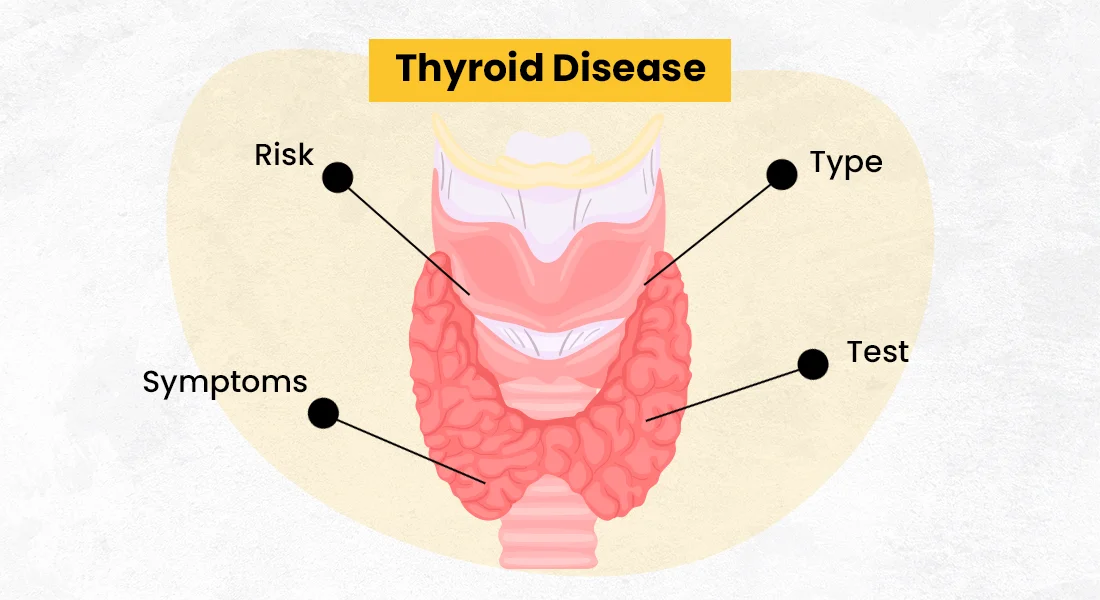
4. Thyroid Disorders
The thyroid gland regulates metabolism, which controls how the body uses energy.
- Underactive thyroid (Hypothyroidism): Causes fatigue, weight gain, constipation, dry skin, sensitivity to cold, and slow thinking.
- Overactive thyroid (Hyperthyroidism): Can also lead to tiredness, often alongside a rapid heartbeat, anxiety, sweating, or unexplained weight loss.
5. Diabetes and Blood Sugar Problems
Persistent fatigue can occur when blood glucose levels remain elevated or fluctuate significantly. Other associated symptoms include:
- Increased thirst and frequent urination
- Unexplained weight loss
- Blurred vision and slow-healing wounds
Know more about the HbA1c blood test.
6. Stress, Anxiety, and Depression
Mental and emotional health directly influence physical energy levels:
- Prolonged stress disrupts sleep quality and concentration.
- Anxiety leaves the mind in a state of hyperarousal, leading to mental exhaustion.
- Depression often causes persistent low energy, altered sleep or appetite, and loss of interest in daily life.
7. Infections and Other Medical Conditions
Fatigue commonly occurs during or after infections (e.g., viral illnesses). Other medical causes include kidney or liver disease, heart conditions, chronic inflammatory disorders, and side effects from certain medications.
Caution: Do not stop taking prescribed medications without discussing them with your doctor.
How to Recognize When Tiredness Is Not Normal
Consider seeking medical evaluation if you notice any of the following patterns:
- Fatigue That Continues Despite Adequate Rest: Remaining exhausted despite consistent sleep.
- Tiredness Lasting for Several Weeks: Persistent fatigue without an obvious cause.
- Unexplained Weight Changes: Unintentional weight loss or gain alongside low energy.
- Breathlessness, Dizziness, or Palpitations: Feeling short of breath during mild activity or noticing a racing heartbeat.
- Persistent Fever or Night Sweats: Tiredness accompanied by recurring fever, night sweats, or swollen lymph nodes.
- Difficulty Performing Everyday Tasks: Finding basic household chores, work, or climbing stairs unusually difficult.
When to Seek Urgent Medical Attention
Seek emergency medical help immediately if fatigue occurs alongside chest pain, severe breathing difficulty, fainting, sudden confusion, or new weakness/numbness on one side of the body.
Medical Tests to Identify the Cause of Fatigue
There is no single test for fatigue. A doctor will evaluate your symptoms, medical history, medications, and sleep patterns before ordering targeted investigations, such as:
- Complete Blood Count (CBC): Checks red blood cells and haemoglobin to screen for anaemia and infection.
- Iron & Ferritin: Assesses the body's stored iron levels.
- Thyroid Function Tests: Evaluates if the thyroid gland is underactive or overactive.
- Blood Glucose & HbA1c Tests: Measures blood sugar levels to check for prediabetes or diabetes.
- Vitamin B12 & Folate Levels: Checks for nutritional deficiencies affecting red blood cells and nerves.
- Kidney & Liver Function Tests: Evaluates organ health and metabolic balance. See our guide to Liver Function Tests (LFT).
- Additional Tests: Inflammatory markers, specific antibody tests, or sleep studies (polysomnography) if sleep apnoea is suspected.
How to Reduce Everyday Fatigue
If lifestyle factors are contributing to your fatigue, the following adjustments can help restore energy:
- Maintain a Regular Sleep Schedule: Aim for 7–9 hours nightly. Go to bed and wake up at consistent times, minimize screens before bed, and keep the room dark and cool.
- Eat a Balanced Diet: Consume complex carbohydrates, lean proteins, healthy fats, and adequate micronutrients (e.g., pulses, eggs, nuts, whole grains, and leafy greens).
- Stay Hydrated: Drink water regularly throughout the day, as dehydration directly causes tiredness and reduced focus.
- Exercise Regularly: Moderate physical activity like daily walking boosts stamina and improves sleep quality.
- Manage Stress: Practice mindfulness, deep breathing, or hobbies. Seek therapy if anxiety or low mood persists.
- Reduce Afternoon Caffeine: Limit coffee, tea, or energy drinks in the afternoon and evening to prevent sleep disruption.
Frequently Asked Questions (FAQs)
1. What is the difference between fatigue and sleepiness?
Sleepiness is the urge or tendency to fall asleep. Fatigue is a lack of physical or mental energy. You can feel exhausted (fatigued) without actually feeling sleepy.
2. Can vitamin deficiencies cause fatigue?
Yes. Low levels of Iron, Vitamin B12, Vitamin D, or Folate are common biological causes of low energy and weakness.
3. Is fatigue a sign of a serious illness?
While fatigue is most often linked to sleep quality, stress, or minor deficiencies, persistent fatigue can occasionally signal an underlying medical issue. It should be evaluated if it lasts several weeks.
4. What is the difference between fatigue and chronic fatigue syndrome (ME/CFS)?
Fatigue is a general symptom. Myalgic Encephalomyelitis / Chronic Fatigue Syndrome (ME/CFS) is a complex, long-term illness characterized by extreme fatigue, unrefreshing sleep, and post-exertional malaise (worsening of symptoms after minor physical or mental effort).
Summary
- Ordinary tiredness resolves with rest; fatigue persists despite adequate sleep.
- Common causes include sleep debt, stress, anaemia, thyroid imbalances, diabetes, and nutrient deficiencies.
- See a doctor if fatigue lasts more than a few weeks, affects daily life, or is accompanied by breathlessness, fever, or unexplained weight changes.
Related Articles
- 10 Root Causes: Why You're Still Tired After Sleeping 8 Hours
- Feeling Weak After Exercise? Common Causes and What to Do
- HbA1c Blood Test: Normal Range, Price, Fasting & Results
- Serum Iron Test: Price, Normal Range, Preparation & More
- Liver Function Tests (LFT): Types, Preparation, Results, Benefits & FAQs
Disclaimer: This article is for general information only and is not a substitute for professional medical advice.










Comments List